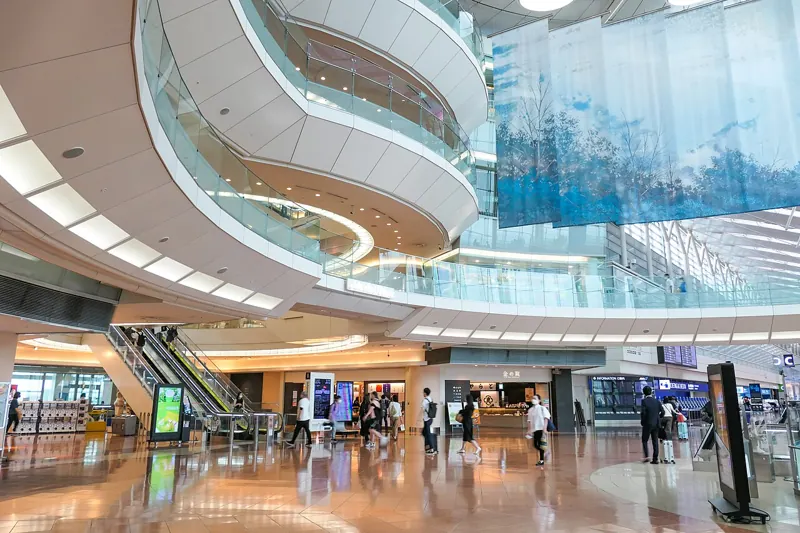
If you’re flying into or out of Tokyo, having a solid Guide To Haneda Airport in your back pocket makes all the difference between a smooth trip and a stressful one. Haneda International Airport — officially Tokyo International Airport (HND) — is one of the busiest airports on the planet, ranking as the fifth busiest in the world, and yet it runs with a quiet efficiency that surprises first-time visitors. Whether you’re traveling for business or leisure, understanding how this airport works will save you time, confusion, and a whole lot of wasted energy. Just like how premium travelers in the United States rely on Windy City Limousine Chicago for seamless, professional airport transfers, navigating Haneda is all about knowing your options before you arrive.
What Is Haneda Airport and Why Does It Matter?
Haneda Airport sits just 14 kilometers south of central Tokyo, making it significantly closer to the city than its counterpart, Narita International Airport (NRT). For decades, Haneda was primarily a domestic airport serving Japanese cities. That changed in 2010 when a dedicated international terminal opened, transforming it into a major international hub for business travel into and out of Japan.
Today, Haneda handles both domestic and international routes. If you’re flying for work or connecting onward across Asia and beyond, there’s a good chance your ticket routes through HND. The airport is known for its cleanliness, organization, and thoughtful design — it genuinely sets the standard for what a major international airport can and should feel like.
Guide To Haneda Airport: Understanding the Terminals
One of the first things to sort out in this Guide To Haneda Airport is the terminal layout, because getting this wrong can mean missing your flight.
Haneda has three main terminals. The International Terminal handles all international departures and arrivals, including major carriers like Japan Airlines, ANA, Delta, United, American Airlines, British Airways, Emirates, Qatar Airways, Singapore Airlines, Lufthansa, Cathay Pacific, Air France, and many others. If you’re on an international route, this is your terminal.
Terminal 1 and Terminal 2 both handle domestic flights. ANA and its partners operate primarily from Terminal 2, while Japan Airlines and partner carriers use Terminal 1. Domestic airlines including Air Do, Skymark, Japan Transocean Air, Solaseed Air, and others use these terminals for routes across Japan.
When you’re planning your airport experience, confirming which terminal your airline uses before you arrive is the single most useful thing you can do.
Airport Lounges at Haneda: Where to Rest and Recharge
For business travelers and premium passengers, Haneda’s lounge offerings are genuinely impressive. This section of our Guide To Haneda Airport covers the main options worth knowing.
General Airport Lounges are available in both Terminal 1 and Terminal 2 — three in each — open to holders of various elite credit cards including American Express and Diners Club. These lounges offer comfortable seating, complimentary soft drinks, and separate smoking areas. Shower facilities are available at select lounges for an additional fee.
The ANA Lounges, located near Gates 110 and 114 in the international terminal, are open to business-class passengers and above. First-class travelers get access to dedicated private rooms within the lounge. Highlights include warm towel service, private phone booths, personal pods with power outlets and headphones, and a noodle bar where the chef cooks made-to-order dishes. ANA’s Star Wars partnership means themed displays are scattered throughout — a fun touch that regular travelers still talk about. Comparable ANA lounges in domestic Terminal 2 are located at Gates 60 and 62.
The Japan Airlines Sakura Lounges serve JAL and oneworld business-class passengers, and in some cases premium economy travelers may also gain access. Dining and relaxation areas are thoughtfully separated, and you’ll find private phone booths, luggage lockers, massage chairs, and a buffet with both Japanese and Western options.
For first-class passengers on JAL, the dedicated Japan Airlines First-Class Lounge is a league of its own. Seating at every chair includes power outlets, ottomans, and individual lumbar pillows. Themed rooms — the Library, Gallery, Play Room, and Bar — create a genuinely memorable atmosphere. A teppanyaki chef prepares made-to-order beef dishes at the center of it all, alongside a full hot and cold buffet, Japanese beer dispensers, and a complimentary spa offering both massage rooms and massage chairs. It’s one of the best first-class airport lounges in Asia.
The Cathay Pacific Lounge rounds things out nicely, serving Cathay Pacific, Cathay Dragon, and oneworld premium passengers. Fresh noodles made on the spot, a daily changing menu, Mac computers in the business center, and a fully staffed cocktail and coffee bar make this one of the more polished lounge experiences at HND.
Guide To Haneda Airport: Hotels Inside and Near the Airport
One thing that often surprises travelers reading any Guide To Haneda Airport for the first time is just how well the hotel options are positioned here.
Inside the airport, three hotels are directly connected. The First Cabin Airport Hotel in the domestic terminal is styled after a first-class aircraft cabin, with sleeping pods available by the hour or for an overnight stay — ideal if you’re catching an early morning flight. The Haneda Excel Hotel Tokyu connects directly to the domestic departure hall and features rooms with airport views, in-room nightwear, and the award-winning Flyer’s Table restaurant — the largest dining room in the airport. The Royal Park Hotel Tokyo Haneda connects to the international terminal’s departure lobby and offers both short-stay Refresh Rooms (with showers and a private sitting area) and full overnight stays with meeting room access and an on-site restaurant and bar.
For those willing to travel a short distance, the Kawasaki Nikko Hotel (approximately 8 km away) is a solid choice for business travelers, offering spacious rooms, meeting facilities, and massage services. The Grand Nikko Tokyo Daiba, also about 8 km out, is a resort-style property with 11 restaurants, a spa, outdoor pool, and panoramic views of Tokyo Bay — a great choice if you want to decompress between long-haul flights.
Shopping at Haneda International Airport
The international terminal is the heartbeat of Haneda Airport shopping, and it doesn’t disappoint. The duty-free zone is extensive, covering luxury fashion houses including Chanel, Gucci, Burberry, Hermès, Chloe, Jimmy Choo, Coach, Salvatore Ferragamo, and Bottega Veneta. For fine jewelry and luxury watches, boutiques for Cartier, Bulgari, Omega, Rolex, and Tiffany are all available. The Tiat Duty-Free shops operate 24 hours, covering fragrances, liquor, tobacco, and premium food products.
Beyond duty-free, Haneda has some genuinely fun specialty stores. Itoya, the beloved Japanese stationery and pen shop, has an outpost here — unmissable thanks to the giant pen at its entrance. Hello Kitty Japan is fully duty-free and stocks the latest from Sanrio. Hakuhinkan Toy Park is an outpost of the famous Ginza shop, stocked with playful gadgets, toys, and novelty socks that make excellent gifts. Give yourself extra time to browse — it’s easy to lose an hour here.
Dining at Haneda Airport: Japanese and International Flavors
No Guide To Haneda Airport would be complete without covering the food. And this airport, true to Tokyo’s reputation as a world-class food city, delivers across the board.
In the international terminal, standout options include Katsusen for exceptional tonkatsu piled high with shredded cabbage; Yakiniku Champion, where the Wagyu beef sets the standard and the soup set menus are outstanding; Tsurutontan for udon noodles that are genuinely worth seeking out; and Ariso Sushi, a kaitenzushi restaurant where each piece is made fresh to order rather than sitting on a conveyor for hours. Mos Cafe offers fresh Japanese-style burgers around the clock, and Cafe Cardinal — open 24/7 — has the added bonus of an observation deck where you can watch aircraft while you eat. For something more refined, Port-Side Kitchen serves Western dishes adapted to Japanese sensibilities by a French chef. And Ito En is worth a stop for matcha soft-serve alone.
In the domestic terminal, Matakoiya is a standing sushi bar that keeps things moving fast — perfect for a quick bite before boarding. Flyer’s Table at the Excel Hotel Tokyu serves a Japanese and Western breakfast buffet each morning, then shifts to à la carte for lunch and dinner.
Getting To and From Haneda Airport: Transfer Tips
Understanding your airport transfer options is a core part of this Guide To Haneda Airport. From the airport, the Tokyo Monorail connects directly to Hamamatsucho Station in about 13 minutes, and the Keikyu Line links to several central Tokyo stations including Shinagawa. Taxis and private car services are available at designated stands outside each terminal.
For business travelers and VIP guests who value punctuality and comfort above all else, a private airport transfer makes the most sense. Services like Windy City Limousine Chicago — which offers professional chauffeur service with flight tracking, door-to-door pickup, and a premium vehicle fleet — represent exactly the kind of reliable, elevated airport transfer experience that frequent international travelers expect. Whether you’re landing in Tokyo or heading home, arriving in a well-organized, on-time vehicle removes one significant layer of travel stress.
Book Your Reservation with Windy City Limousine Chicago →
Guide To Haneda Airport: Key Travel Tips Before You Go
A few final things worth knowing from this Guide To Haneda Airport:
Haneda is open 24 hours a day, and its duty-free shopping runs around the clock — useful for late arrivals and early departures. The airport offers free Wi-Fi throughout all terminals. Currency exchange and ATMs are available in both the international and domestic terminals. The international terminal also has a Edo-period themed shopping and dining floor that recreates a historic Japanese townscape — even if you’re not shopping, it’s worth seeing.
Allow at least 90 minutes before an international departure, and at least 60 minutes for a domestic flight. The airport is large, and while it’s well-signed in English, security and passport control can take time during peak hours.
Frequently Asked Questions About Haneda Airport
1. What is the IATA code for Haneda Airport? Haneda Airport’s IATA code is HND. Its official name is Tokyo International Airport, though it’s almost universally referred to as Haneda.
2. How many terminals does Haneda Airport have? Haneda has three terminals — an International Terminal and two domestic terminals (Terminal 1 and Terminal 2). Your terminal depends on your airline and route.
3. Which airlines fly from Haneda International Terminal? Major airlines at Haneda’s international terminal include Japan Airlines, ANA, American Airlines, Delta, United, British Airways, Lufthansa, Emirates, Qatar Airways, Singapore Airlines, Cathay Pacific, Air France, Korean Air, Qantas, and many others.
4. Is Haneda Airport closer to Tokyo than Narita? Yes. Haneda is approximately 14 km from central Tokyo, while Narita is around 60 km away. Transfer times from Haneda to the city center are significantly shorter, which is one reason it’s preferred for business travel.
5. What lounges are available at Haneda Airport? Haneda offers general airport lounges accessible via elite credit cards, ANA Lounges, Japan Airlines Sakura Lounges, the JAL First-Class Lounge, and the Cathay Pacific Lounge, among others.
6. Are there hotels inside Haneda Airport? Yes — three hotels connect directly to the airport: First Cabin Airport Hotel (domestic terminal), Haneda Excel Hotel Tokyu (domestic terminal), and Royal Park Hotel Tokyo Haneda (international terminal).
7. Does Haneda Airport have 24-hour shopping? Yes. The Tiat Duty-Free shops in the international terminal are open 24 hours a day, covering fragrances, liquor, tobacco, luxury goods, and premium food items.
8. What food options are available at Haneda Airport? From fresh udon and Wagyu beef to sushi, tonkatsu, and French-Japanese fusion, the international terminal has dozens of restaurant options. The domestic terminal offers more limited but still solid choices.
9. How do I get from Haneda Airport to central Tokyo? The fastest options are the Tokyo Monorail (to Hamamatsucho) and the Keikyu Railway (to Shinagawa and other central stations). Private chauffeur and taxi services are also available outside each terminal.
10. Can I book a private airport transfer from Haneda? Absolutely. Private airport chauffeur services are available from the airport for travelers who prefer a seamless, professional transfer. For international business travelers, services like Windy City Limousine Chicago offer premium ground transportation with professional chauffeurs, real-time flight tracking, and door-to-door service.
Ready to Travel in Style? Book Your Ride with Windy City Limousine Chicago →