The rise of the slow food movement is one of the most fascinating cultural stories of the last four decades — a grassroots revolution that started with a single act of protest on a cobblestone street in Rome and quietly grew into a global philosophy touching over 150 countries. Whether you’re a food lover, a conscious traveler, or someone who simply values meaningful experiences, understanding this movement tells you a lot about why people are choosing quality over convenience in every aspect of their lives — including how they travel. At Windy City Limousine Chicago, we believe that philosophy applies beyond the dinner table: the best experiences are never rushed.
How It All Began: One Man, One McDonald’s, and a Plate of Pasta
In 1986, a McDonald’s opened near the iconic Spanish Steps in Rome. For most people, it was just another fast food restaurant. For Carlo Petrini, an Italian food writer and activist, it was a direct threat to everything he believed in — local culinary traditions, seasonal ingredients, and the unhurried pleasure of a proper meal.
His response wasn’t a petition or a formal protest. He simply stood outside and handed plates of fresh penne pasta to passersby, encouraging them to slow down and taste something real. That small, almost poetic act planted the seed for what would become one of the most powerful food culture movements in modern history.
Three years later, in 1989, the movement was officially founded in Paris. Representatives from fifteen countries signed a founding manifesto declaring that fast food culture and the global standardization of taste were eroding regional food heritage, threatening small farmers, and disconnecting people from the land. The rise of the slow food movement had officially begun.
What the Slow Food Movement Actually Stands For
At its heart, the slow food philosophy is built on three simple but powerful words: good, clean, and fair.
Good means food that is fresh, seasonal, and genuinely flavorful — not engineered for shelf life or mass production. Clean means produced in ways that protect the environment, animal welfare, and human health. Fair means accessible pricing for consumers and honest pay for the farmers and producers who grow it.
The rise of the slow food movement was never just about what ended up on your plate. It was about the entire system — from seed to fork. It challenged the idea that efficiency and uniformity should be the highest values in food production, arguing instead that biodiversity, tradition, and community matter just as much.
Today, the movement has over a million active members and tens of millions of people around the world practicing its principles in some form — whether they realize it or not.
The Pioneers Who Gave It a Global Voice
Carlo Petrini remains the movement’s founding president, and his influence has been enormous. Time Magazine once named him one of the people most likely to save the global food system. But the rise of the slow food movement didn’t stop at one person.
Chefs like Alice Waters in California and Raymond Blanc in England brought the philosophy into their professional kitchens and turned their restaurants into living examples of what slow food looks like in practice. Waters’ Chez Panisse in Berkeley and Blanc’s Le Manoir Quatre Saisons in Oxfordshire are both celebrated for their deep commitment to sustainable agriculture, local sourcing, and what Blanc calls “edible education.”
A Slow Food Chefs’ Alliance, launched in 2009 with over 1,100 members, gave even more chefs a platform to champion small-scale producers and defend traditional food cultures against the relentless pressure of industrial food systems.
Around the world, restaurants like Nomad in Australia and Relæ in Denmark earned global recognition by embedding slow food values into every decision they made — working with local growers, reducing their carbon footprint, and achieving the highest organic certifications available.
The Biodiversity Mission: Saving Foods Before They Disappear
One of the most quietly urgent parts of the slow food mission is biodiversity preservation. The industrial food system has quietly narrowed the world’s diet to a relatively small number of high-yield, commercially viable crops and breeds. Thousands of heritage varieties of vegetables, grains, fruits, and livestock breeds have disappeared or are on the verge of extinction.
The rise of the slow food movement helped draw attention to this crisis through initiatives like the Ark of Taste — a living catalogue of endangered traditional foods from around the world. From rare apple varieties in the English countryside to heirloom tomato strains in Italy and ancient grain species in Ethiopia, the Ark of Taste documents and promotes foods that would otherwise vanish within a generation.
This isn’t just about sentiment or nostalgia. Genetic diversity in our food supply is a practical safeguard against disease, climate change, and agricultural collapse. Protecting it is as important as any environmental campaign.
The Class Question: Is Slow Food Only for the Wealthy?
It’s a fair challenge, and the movement hasn’t ignored it. Critics have pointed out that farm-to-table dining, organic produce, and artisan goods often come with price tags that put them out of reach for many people. If slow food is genuinely supposed to be “fair,” affordability can’t be an afterthought.
The honest answer is that the movement has had mixed success here. In cities and wealthy suburbs, slow food culture often plays out as a premium lifestyle choice. But in other contexts — through community gardens, urban farming initiatives, school food education programs, and organizations like Food Not Bombs — slow food principles have reached people who would never step foot in an upscale restaurant.
The rise of the slow food movement in lower-income communities tends to look less like artisan cheese and more like teaching kids how to grow a tomato plant, or helping a neighborhood reclaim access to fresh vegetables in a food desert. Both matter.
Urban Farming and the Next Chapter
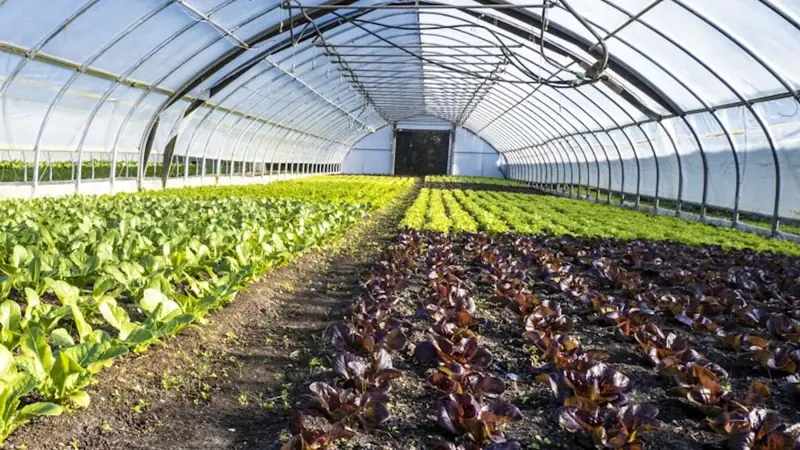
Decades after that plate of pasta in Rome, the rise of the slow food movement continues to find new expressions. Urban farming — growing food inside and around cities — has become one of the most practical extensions of slow food thinking. Community gardens, rooftop farms, vertical growing operations, and school kitchen gardens are all ways that city dwellers are reconnecting with seasonal, locally grown food without needing to live in the countryside.
Organizations like Food Not Bombs take this further still, sharing free vegan and vegetarian meals made from recovered surplus food in public spaces. It’s a radical act of food justice and a direct rejection of the idea that only paying customers deserve nourishment.
Meanwhile, children in school garden programs are learning to grow, cook, and taste food in ways that no classroom lecture could replicate. These experiences don’t just teach nutrition — they build a deeper relationship with food that tends to last a lifetime.
What Slow Food Teaches Us About Living Better
The slow food movement, at its core, is really about attention. It asks us to pay attention to where things come from, how they’re made, who made them, and what effect our choices have on the world around us.
That idea — that quality, care, and intention produce better outcomes than speed alone — applies far beyond the kitchen. Whether it’s a meal prepared from scratch, a journey taken without rushing, or a service delivered with genuine professionalism rather than just efficiency, the slow food philosophy reminds us that the how matters as much as the what.
The rise of the slow food movement is ultimately a story about reclaiming standards — and that’s a principle worth carrying into every part of life.
Ready to experience travel the way it was meant to feel? Book your reservation with Windy City Limousine Chicago and arrive with the same care, comfort, and attention to quality that the slow food movement brought back to the table.
10 Frequently Asked Questions About the Slow Food Movement
1. What is the slow food movement? The slow food movement is a global organization founded in 1989 that promotes traditional food cultures, local and seasonal eating, biodiversity, and fair food systems as a counterpoint to fast food and industrial agriculture.
2. Who started the slow food movement? Carlo Petrini, an Italian food journalist and activist, founded the movement after protesting the opening of a McDonald’s near Rome’s Spanish Steps in 1986 by distributing plates of penne pasta to passersby.
3. When was the slow food movement officially founded? The movement was officially established in Paris in 1989, when representatives from fifteen countries signed a founding manifesto pledging to protect local food heritage and promote a slower, more intentional approach to eating.
4. What does “good, clean, and fair” mean in slow food terms? “Good” refers to fresh, flavorful, and seasonal food. “Clean” means produced without harming the environment or human health. “Fair” means reasonable prices for consumers and fair wages for farmers and food producers.
5. How many people are involved in the slow food movement today? The movement has over one million active members and tens of millions of people globally who practice slow food principles in their daily lives, with activities running in over 150 countries.
6. What is the Ark of Taste? The Ark of Taste is a slow food initiative that catalogs and promotes endangered traditional foods — heritage crops, livestock breeds, and artisan products at risk of disappearing due to industrial food standardization.
7. Is slow food only for wealthy people? It’s a valid concern. While slow food dining can be expensive, the movement also supports community gardens, food education in schools, and urban farming initiatives that make local, sustainable food more accessible across income levels.
8. What role do chefs play in the slow food movement? Many prominent chefs, including Alice Waters and Raymond Blanc, have become active advocates. The Slow Food Chefs’ Alliance, with over 1,100 members, formally connects chefs committed to supporting small producers and sustainable culinary practices.
9. How does urban farming connect to slow food values? Urban farming — growing food in and around cities — is one of the most practical modern expressions of slow food thinking. It brings seasonal, locally grown produce to city populations and rebuilds the connection between people and the food they eat.
10. Why does the slow food movement still matter today? In an era of ultra-processed food and global supply chain uncertainty, the slow food movement’s focus on food quality, biodiversity, and community resilience is more relevant than ever. It offers a practical and philosophical framework for making better choices about what we eat and how we live.