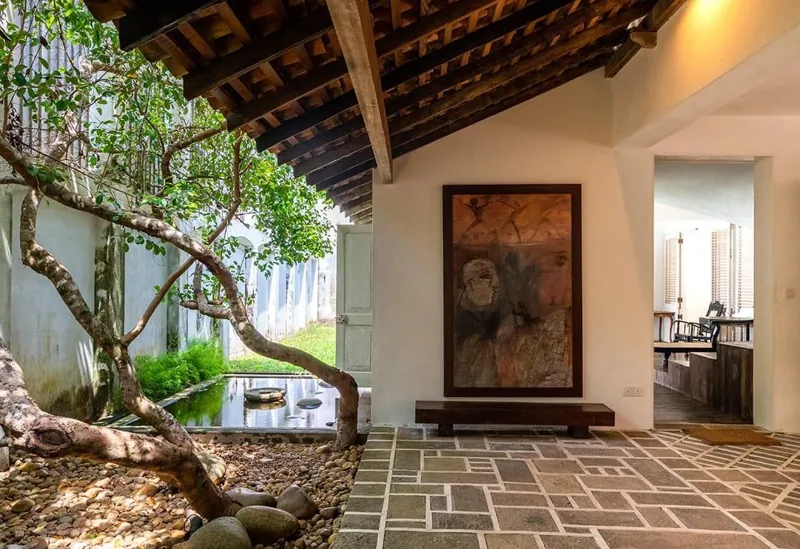
Sri Lankan Architecture is one of the most fascinating aspects of the island’s cultural identity, blending tropical landscapes, colonial influences, local craftsmanship, and modern design. For travelers seeking more than beaches and scenic views, exploring the architectural legacy of Geoffrey Bawa offers a unique perspective on Sri Lanka’s history, creativity, and lifestyle.
Just as windy city limousine chicago helps travelers experience destinations in comfort and style, Sri Lanka invites visitors to discover its architectural treasures through thoughtfully planned journeys across the island. From private residences and luxury resorts to public landmarks and heritage-inspired spaces, Geoffrey Bawa’s work continues to define modern Sri Lankan design.
If you appreciate tropical modernism, heritage architecture, luxury hotels in Sri Lanka, and culturally rich travel experiences, this architectural guide is a must-read.
Who Was Geoffrey Bawa?
When discussing Sri Lankan Architecture, one name stands above all others: Geoffrey Bawa.
Born in 1919, Bawa initially trained as a lawyer before pursuing architecture later in life. Despite entering the profession relatively late, he transformed the architectural landscape of Sri Lanka and became one of Asia’s most influential architects.
Bawa pioneered the concept of Tropical Modernism, a design philosophy that combines modern architecture with natural surroundings. His buildings emphasize:
- Natural ventilation
- Open-air living spaces
- Local building materials
- Seamless indoor-outdoor transitions
- Environmental harmony
His work successfully merged international modernist principles with traditional Sri Lankan craftsmanship, creating timeless designs that remain admired worldwide.
Understanding Tropical Modernism in Sri Lankan Architecture
One of the defining characteristics of modern Sri Lankan Architecture is Tropical Modernism.
Rather than fighting against the tropical climate, Bawa designed structures that embraced it. Wide verandas, internal courtyards, water features, shaded pathways, and lush landscaping became integral parts of his projects.
This architectural style offers:
- Improved airflow
- Reduced dependence on artificial cooling
- Stronger connection with nature
- Greater sustainability
- Enhanced visual harmony
Today, many architects across Asia continue to draw inspiration from Bawa’s innovative approach.
Number 11: Geoffrey Bawa’s Private Residence in Colombo
A Personal Reflection of Architectural Genius
Located in Colombo, Number 11 served as Geoffrey Bawa’s private residence and design laboratory.
What began as a collection of neighboring houses evolved into a remarkable architectural masterpiece. Every room, courtyard, and passageway reflects Bawa’s design philosophy.
Highlights include:
- Elegant courtyards filled with tropical plants
- Skylit gardens
- Traditional Sri Lankan design influences
- Custom-designed furniture
- Artistic collections and cultural artifacts
Visitors can experience how Bawa blurred the boundaries between architecture, landscape, and daily living.
For architecture enthusiasts, Number 11 is among the most important examples of Sri Lankan Architecture.
The Gallery Cafe: Dining Inside an Architectural Landmark
Where Architecture Meets Fine Dining
Originally one of Bawa’s architectural offices, The Gallery Cafe has been transformed into one of Colombo’s most celebrated dining destinations.
The property retains many original design features, including:
- Open-air courtyards
- Colonial-inspired layouts
- Intimate dining spaces
- Traditional architectural details
Guests not only enjoy exceptional cuisine but also experience an environment that showcases the elegance of modern Sri Lankan Architecture.
Popular menu items include local specialties such as black pork curry and desserts flavored with kithul syrup.
Heritance Kandalama: A Masterpiece Hidden in Nature
The Most Iconic Luxury Hotel Designed by Bawa
Few buildings capture the essence of Sri Lankan Architecture as beautifully as Heritance Kandalama.
Situated near Dambulla and close to the famous Sigiriya Rock Fortress, this luxury hotel appears almost invisible within the surrounding landscape.
What makes it remarkable?
- Built without major disruption to natural rock formations
- Covered with climbing vegetation
- Panoramic reservoir views
- Sustainable design principles
- Integration with surrounding forests
The hotel demonstrates how architecture can coexist with nature rather than dominate it.
Today, Heritance Kandalama is widely recognized as one of the finest examples of Tropical Modernism anywhere in the world.
Lunuganga Estate: Geoffrey Bawa’s Living Canvas
The Garden That Defined His Vision
Located in Bentota, Lunuganga Estate is perhaps Geoffrey Bawa’s most personal creation.
Originally a rubber plantation, the 15-acre property evolved over four decades into a breathtaking landscape masterpiece.
Visitors can explore:
- Italian-inspired gardens
- Lotus ponds
- Sculptures and artistic installations
- Lakeside viewpoints
- Private pavilions
- Luxury guest suites
Unlike traditional architecture, Lunuganga demonstrates how landscape design can become architecture itself.
For many experts, this estate represents the ultimate expression of Sri Lankan Architecture and landscape design.
Bentota Railway Station: Simplicity Done Beautifully
A Public Landmark with Lasting Impact
Not all of Bawa’s projects were luxury residences or hotels.
Bentota Railway Station showcases how thoughtful design can elevate public infrastructure.
Architectural features include:
- Traditional village-house inspiration
- Large covered verandas
- Terracotta roofing
- Functional tropical design
- Seamless connection to nearby beaches
The station remains a beloved local landmark and a reminder that great Sri Lankan Architecture can be found in everyday spaces.
Jetwing Lighthouse: Luxury on Sri Lanka’s Southern Coast
Architecture with Historical Storytelling
Situated near Galle Fort, Jetwing Lighthouse combines luxury hospitality with artistic expression.
The hotel features:
- Spectacular Indian Ocean views
- Signature Bawa architectural details
- Open-air design concepts
- Traditional Sri Lankan craftsmanship
- Historic artistic installations
One of its most famous elements is a dramatic bronze and brass sculpture depicting the arrival of Portuguese explorers in Sri Lanka.
This unique combination of history, art, and architecture creates an unforgettable visitor experience.
Why Geoffrey Bawa Still Influences Modern Sri Lankan Architecture
More than two decades after his passing, Geoffrey Bawa’s influence remains visible across Sri Lanka.
Contemporary architects continue to adopt his principles:
- Climate-responsive design
- Sustainable construction
- Cultural authenticity
- Natural ventilation
- Integration with landscapes
His work helped establish a globally recognized architectural identity for Sri Lanka while preserving local traditions and craftsmanship.
Planning an Architectural Tour Across Sri Lanka
Travelers interested in Sri Lankan Architecture can create a memorable itinerary that includes:
- Colombo – Number 11 and The Gallery Cafe
- Dambulla – Heritance Kandalama
- Bentota – Lunuganga Estate
- Bentota Railway Station
- Galle – Jetwing Lighthouse
This route provides a comprehensive introduction to Geoffrey Bawa’s most celebrated works while allowing visitors to experience Sri Lanka’s beaches, culture, cuisine, and natural beauty.
Experience Sri Lanka Through Architecture
Exploring Sri Lankan Architecture offers much more than sightseeing. It provides insight into the island’s cultural heritage, environmental awareness, artistic traditions, and modern identity.
Geoffrey Bawa’s masterpieces continue to attract architects, designers, students, and travelers from around the world. Whether you’re admiring the intimate courtyards of Number 11, the landscaped beauty of Lunuganga, or the dramatic setting of Heritance Kandalama, each destination tells a unique story about Sri Lanka’s architectural evolution.
Frequently Asked Questions
1. What is Sri Lankan Architecture known for?
Sri Lankan Architecture is known for blending tropical design, local materials, colonial influences, and sustainable building practices.
2. Who is Geoffrey Bawa?
Geoffrey Bawa was Sri Lanka’s most influential architect and the pioneer of Tropical Modernism.
3. What is Tropical Modernism?
Tropical Modernism combines modern architecture with climate-responsive design suited to tropical environments.
4. Where is Number 11 located?
Number 11 is located in Colombo and was Geoffrey Bawa’s personal residence.
5. Can visitors stay at Number 11?
Yes, limited accommodation is available through pre-arranged bookings.
6. What is special about Heritance Kandalama?
The hotel is famous for blending seamlessly into its natural environment while showcasing world-class architecture.
7. Where is Lunuganga Estate?
Lunuganga Estate is located in Bentota, approximately 80 kilometers south of Colombo.
8. Why is Geoffrey Bawa important to architecture?
He created a unique architectural identity for Sri Lanka and influenced architects worldwide.
9. Is Bentota Railway Station designed by Geoffrey Bawa?
Yes, it is one of his most notable public architecture projects.
10. What are the best places to see Sri Lankan Architecture?
Number 11, The Gallery Cafe, Heritance Kandalama, Lunuganga Estate, Bentota Railway Station, and Jetwing Lighthouse are among the best examples.
Reserve Your Luxury Transportation Today
Planning your next architectural journey or luxury travel experience?
Book professional transportation through our reservation service and enjoy comfort, reliability, and premium travel solutions tailored to your itinerary.
Reserve Now: https://windycitylimousinechicago.com/reservation/