The history of Sazerac is one of the most fascinating stories in American drinking culture — a tale of French cognac, a Haitian immigrant’s pharmacy, a city that never really sleeps, and a drink that somehow survived two centuries without losing a single drop of its character. If you love whiskey, bitters, or just a well-made cocktail with a genuine backstory, the Sazerac deserves your full attention. At Windy City Limousine Chicago, we serve travelers who appreciate the finer things — and understanding the history of Sazerac is very much part of appreciating what makes certain destinations, New Orleans especially, worth experiencing properly.
What Exactly Is a Sazerac?
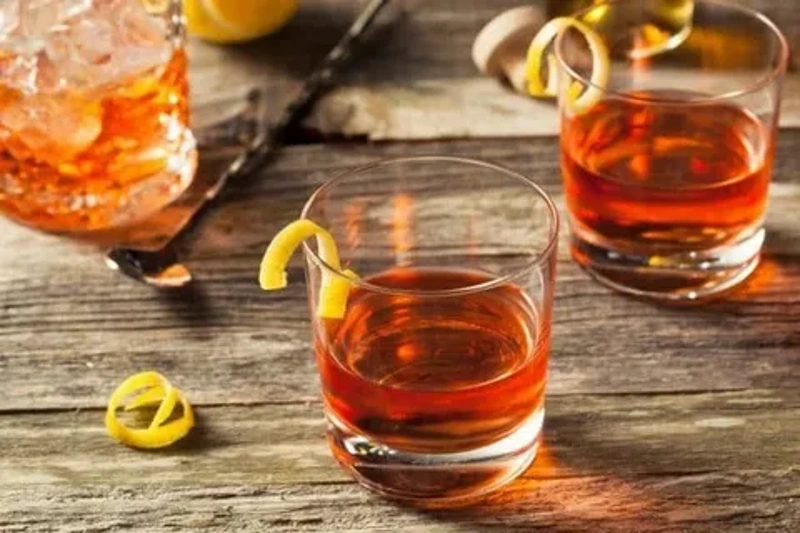
Before getting into the history, it helps to know what you’re actually drinking. The Sazerac cocktail is built around a base spirit — traditionally French cognac, though American rye whiskey became the standard after the late 19th century — combined with absinthe, a sugar cube, and Peychaud’s Bitters. It’s served in an Old-Fashioned glass, and the flavor profile is genuinely complex: spice from the rye, a gentle sweetness from the sugar, herbal depth from the bitters, and a lingering anise note from the absinthe rinse.
The International Bartenders Association’s official recipe still calls for 5cl of cognac as the base spirit, along with 1cl of absinthe and two dashes of Peychaud’s Bitters. Some bartenders use rye whiskey, some split the difference with both. Either way, it’s a drink that rewards attention — not something to rush through.
The Origins: Antoine Peychaud and the French Quarter Pharmacy
The history of Sazerac begins in the mid-19th century in the French Quarter of New Orleans, inside a small pharmacy run by a man named Antoine Amédée Peychaud. The son of a Haitian immigrant, Peychaud was a pharmacist by trade, but his real gift — as it turned out — was his talent for making medicinal bitters. He produced these himself and sold them under his own name: Peychaud’s Bitters, which remain a key ingredient in the Sazerac to this day.
Legend has it that Peychaud enjoyed mixing these bitters with the imported French cognac Sazerac de Forge et Fils, serving the mixture to guests and customers in an egg cup — a coquetier in French. Some historians believe this is where the word “cocktail” itself may have originated, which, if true, makes the Sazerac’s origin story even more significant to the broader history of American cocktails.
Whether that etymology holds up or not, what’s clear is that Peychaud’s creation was something people genuinely wanted to drink again.
How Aaron Bird Turned a Pharmacy Recipe Into a Bar Legend
The next chapter in the history of Sazerac involves a local bar owner named Aaron Bird, who reportedly got word of Peychaud’s popular bitters cocktail and adapted it for his establishment. Bird made it his signature drink and eventually renamed his bar The Sazerac House — named after the cognac that anchored the recipe. Nobody knows for certain whether it was Bird, Peychaud, or one of their associates who locked in the final recipe, but Bird’s bar gave the drink a permanent home and a name that stuck.
This is the point where the Sazerac cocktail history transitions from a pharmacy curiosity into a New Orleans institution. The Sazerac House became the foundation for what is today the Sazerac Company — a major American spirits conglomerate that owns several distilleries across the United States and Canada, most notably Buffalo Trace, one of the most celebrated bourbon producers in the world.
The Phylloxera Epidemic and the Rye Whiskey Shift
One of the most pivotal moments in the history of Sazerac had nothing to do with New Orleans at all. In the late 19th century, a devastating agricultural crisis swept through France. The phylloxera epidemic — a plague of vine-destroying insects — wiped out vast swathes of French vineyards, dramatically reducing cognac production and making the imported spirit far harder and more expensive to source.
New Orleans bartenders, unable to reliably obtain Sazerac de Forge et Fils cognac, turned to American rye whiskey as a substitute. The swap worked remarkably well. Rye’s natural spice complemented the Peychaud’s Bitters beautifully, and the rye whiskey Sazerac quickly became the dominant version of the drink in the United States. The cognac-based original never disappeared entirely — some bars and purists still make it that way — but the rye Sazerac is what most people are handed when they order one today.
New Orleans in the 19th Century: The World the Sazerac Was Born Into
To fully appreciate the history of Sazerac, it helps to picture New Orleans at the time. The French Quarter of the mid-to-late 1800s would have looked fairly familiar to a modern visitor — the iconic brick buildings with ornate wrought-iron balconies were already there, though the neighborhood was more of a genuine residential and commercial district than the tourist-heavy area it is today.
One feature that no longer exists in the same form was the city’s streetcar network. New Orleans introduced its first streetcar line in 1831, making it the second American city to do so after New York. By the height of the Sazerac’s early popularity, streetcar routes crisscrossed the entire city, including through the French Quarter and out into the surrounding neighborhoods. The most famous line — the one bearing the destination “Desire” on its front board, later immortalized by Tennessee Williams — ran until 1948. Five streetcar lines still operate today, including the St. Charles Avenue line, which holds the distinction of being the oldest continuously operating streetcar line in the world.
Where to Experience the Sazerac in New Orleans Today
The Sazerac House is the obvious starting point. Spread across three floors of two historic buildings in the French Quarter, it opened as a museum and cocktail experience and covers not just the Sazerac but the broader history of New Orleans spirits. Notably, the Sazerac Company has resumed importing cognac from Sazerac de Forge et Fils — meaning visitors can taste a version of the original recipe that inspired everything.
The Museum of the American Cocktail, located within the Southern Food and Beverage Museum, takes a wider view of American cocktail history and actually allows you to explore its exhibits while holding a drink. It’s one of the more civilized museum experiences available anywhere.
For a more atmospheric setting, the Sazerac Bar at the Roosevelt Hotel is the gold standard. Recently voted Best Hotel Bar in the United States, the space is a masterpiece of art deco design — chandeliers, deep wood paneling, and murals by the artist Paul Nunes covering the walls. The Sazerac here is made with the kind of care the drink deserves.
Other Classic Cocktails Born in New Orleans
The history of Sazerac sits within a much larger tradition of New Orleans cocktail culture that produced several other American classics worth knowing.
The Ramos Gin Fizz was created in 1888 by Henry Ramos at his Imperial Cabinet Saloon. Built on a standard Gin Fizz foundation, Ramos added egg white, cream, orange flower water, and lime juice — turning a simple drink into something rich, creamy, and genuinely unique. It takes several minutes to make properly and is worth every second of the wait.
The Hurricane has a wartime origin story. During World War II, Pat O’Brien’s bar on St Peter Street in the French Quarter found itself with enormous stocks of rum it was required to purchase before it could order more popular spirits. The Hurricane — a bold combination of multiple rum styles, passion fruit syrup, and lemon juice, served in a hurricane lamp-shaped glass — was invented specifically to move that rum. It worked, and the drink has been one of the city’s most popular ever since.
The Absinthe Frappé dates to 1874 and was invented at the Old Absinthe House on Bourbon Street, which first opened in 1807 and is still operating today. Combining absinthe, simple syrup, soda, mint, and lemon juice blended with ice, it’s a refreshing and historically significant drink that connects directly to New Orleans’ long relationship with absinthe — an ingredient that also appears in the Sazerac itself.
Travel Like the Cocktail Was Made — With Intention and Quality
The history of Sazerac is ultimately a story about craft, care, and the importance of getting the details right. That same philosophy applies to how you travel. If you’re heading to New Orleans, Chicago, or any major destination from the Chicago area, Windy City Limousine Chicago provides the kind of ground transportation that matches the quality of the experience waiting for you at the other end.
Our fleet includes the Lincoln Continental, Cadillac XTS, Cadillac Escalade, Lincoln Navigator, and Mercedes-Benz Sprinter Van, covering solo travelers through to groups of up to 14 passengers. We serve O’Hare International Airport, Midway Airport, and all surrounding communities including Highland Park, Lake Forest, Deerfield, Hinsdale, and Northbrook — 24 hours a day, every day of the year.
Reserve your luxury airport transfer at windycitylimousinechicago.
Frequently Asked Questions
1. What is the history of Sazerac in brief? The history of Sazerac begins in mid-19th century New Orleans, where pharmacist Antoine Peychaud mixed his homemade bitters with imported French cognac. Bar owner Aaron Bird commercialized the recipe, named his establishment The Sazerac House, and the drink became one of the most enduring classic American cocktails in history.
2. What is the original Sazerac recipe? The original Sazerac cocktail recipe used Sazerac de Forge et Fils cognac, Peychaud’s Bitters, a sugar cube, and absinthe. Today, the International Bartenders Association still lists cognac as the official base spirit, though American rye whiskey is more commonly used.
3. Why did the Sazerac switch from cognac to rye whiskey? The shift happened in the late 19th century when the phylloxera epidemic devastated French vineyards and made cognac difficult to source. New Orleans bartenders substituted American rye whiskey, which complemented Peychaud’s Bitters well and became the standard base for the modern Sazerac.
4. Is the Sazerac really America’s first cocktail? Many historians and cocktail writers consider the Sazerac to be one of the earliest — if not the first — true American cocktails, predating most other recognized classics. New Orleans declared it the official cocktail of the city in 2008.
5. What are Peychaud’s Bitters and why are they important? Peychaud’s Bitters were created by Antoine Peychaud in his French Quarter pharmacy and are the defining ingredient in a Sazerac. They have a lighter, more floral character than Angostura bitters and are essential to the drink’s distinctive flavor.
6. Where is the best place to drink a Sazerac in New Orleans? The Sazerac Bar at the Roosevelt Hotel is widely considered the finest place to drink one, recently voted Best Hotel Bar in the United States. The Sazerac House museum and the Museum of the American Cocktail are excellent alternatives with strong historical context.
7. What does a Sazerac taste like? A well-made Sazerac delivers spice from the rye whiskey, gentle sweetness from the sugar cube, herbal bitterness from Peychaud’s Bitters, and a subtle anise note from the absinthe rinse. It’s bold, complex, and drier than most popular cocktails.
8. What other cocktails were invented in New Orleans? New Orleans gave the world the Ramos Gin Fizz (1888), the Hurricane (1940s), and the Absinthe Frappé (1874), among others. The city has one of the richest cocktail invention histories of any American city.
9. Who owns the Sazerac Company today? The Sazerac Company is a privately held American spirits company that grew directly from the bar Aaron Bird established in New Orleans. It now owns multiple distilleries across the US and Canada, including the renowned Buffalo Trace distillery in Kentucky.
10. How can Chicago travelers get to the airport for a trip to New Orleans? Windy City Limousine Chicago provides professional luxury airport transfers to O’Hare and Midway from across the Chicago metro area, including Highland Park, Lake Forest, Deerfield, Hinsdale, and Northbrook. Book your reservation here.