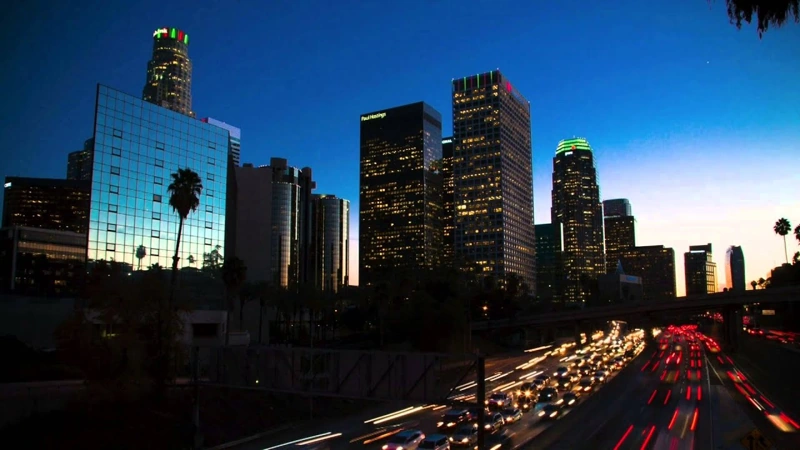
Rush Hour in Los Angeles is more than just a daily inconvenience; it is a cultural phenomenon that defines the rhythm of life in Southern California. For residents and visitors alike, the experience of sitting on a multi-lane freeway while the sun sets over a sea of brake lights is an almost universal rite of passage. At windy city limousine chicago, we specialize in managing the complexities of urban travel, and while our roots are in the Midwest, we understand that the high-stakes world of executive transportation requires a deep knowledge of the nation’s busiest corridors. Whether you are flying into LAX for a movie premiere or navigating the sprawl for a corporate summit, understanding how to manage the notorious gridlock is essential for maintaining your schedule and your sanity.
Los Angeles is arguably the most car-centric city in the world. Unlike European capitals or even East Coast hubs like New York City, the layout of LA was designed around the freedom of the automobile. However, that freedom often feels like an illusion when you are caught in the middle of a Friday afternoon standstill. Public transit, while expanding, often struggles to bridge the vast distances between the “Silicon Beach” tech hubs and the financial centers of Downtown. This makes a professional chauffeur service the only viable way to travel if you want to remain productive during the long stretches spent on the road.
The True Cost of Traffic Congestion in the City of Angels
Recent data has confirmed what many commuters have known for decades: Rush Hour in Los Angeles is among the most severe in the world. Los Angeles consistently ranks as the third worst city in the United States for traffic delays, trailing only New York and Chicago. While the “Windy City” has its own challenges with the Kennedy Expressway, the sheer scale of LA’s freeway network creates a unique type of congestion.
Statistically, the average Angeleno loses approximately 88 hours of their life every year sitting in traffic. That is nearly four full days spent staring at the bumper of the car in front of you. Since 2021, these delays have increased by nearly 40%, moving closer to the pre-pandemic peaks that made the city’s traffic legendary. Beyond the loss of time, there is a significant financial burden. Between the skyrocketing price of fuel and the wear and tear on vehicles, the average driver wastes over $1,000 annually just idling in queues. This is why many high-net-worth individuals and corporate travelers prefer a luxury limousine service, turning a wasted hour of driving into a productive hour of work in a quiet, climate-controlled cabin.
The Most Infamous Roads to Avoid During Rush Hour in Los Angeles
To successfully navigate the city, you must know which arteries are the most likely to clog. Not all freeways are created equal, and some are statistically proven to be “commuter traps.”
The Southbound I-5 (Santa Ana Freeway)
The stretch of the I-5 between Euclid Avenue and Interstate-605 has the dubious honor of being the most gridlocked road in the United States. During a typical Rush Hour in Los Angeles, this corridor becomes a parking lot. Commuters using this route for their daily trek lose an average of 89 hours a year on this single stretch alone. It is a vital artery connecting Orange County to the city, but without a locally-knowledgeable chauffeur, it can become a logistical nightmare.
The Hollywood Freeway (US-101)
The 101 is another major culprit, specifically the stretch from the Ventura Freeway to the Harbor Freeway. The primary issue here is geography. The Hollywood Hills act as a natural barrier, preventing the construction of alternative routes or the widening of the current road. This creates a bottleneck effect where commuters from the San Fernando Valley are squeezed into a narrow corridor as they head toward the heart of the city.
The 405 (San Diego Freeway)
No conversation about Rush Hour in Los Angeles is complete without mentioning the 405. It is the primary route to LAX and the Westside, making it perpetually busy. Whether it is “Carmageddon” or just a standard Tuesday morning, the 405 is a road that requires a strategic departure time.
Why Timing is Everything for Your Travel Plans
If you must traverse the city, the time of day is your most important variable. Morning Rush Hour in Los Angeles typically ramps up as early as 6:00 AM and doesn’t begin to dissipate until after 10:00 AM. The afternoon peak is even more grueling, often starting at 3:00 PM and stretching well past 7:30 PM.
On Fridays, the “afternoon” rush can start as early as 1:30 PM as residents head out of town for weekend trips to Palm Springs or Santa Barbara. For those arriving at the airport, booking an airport transfer service is the smartest move. A professional driver monitors real-time traffic patterns and can pivot to surface streets like Sepulveda or La Cienega when the freeways are at a standstill.
The Psychological Impact of Driving in Gridlock
The stress of navigating Rush Hour in Los Angeles takes a toll that goes beyond the wallet. Studies have shown that long-term exposure to heavy traffic increases cortisol levels and leads to “commuter burnout.” The constant vigilance required to navigate aggressive lane changes and sudden stops makes it impossible to relax.
By opting for a chauffeured vehicle, you remove the psychological weight of the journey. Instead of battling for space on the 110, you can recline in a leather seat, utilize high-speed Wi-Fi to join a conference call, or simply enjoy the view of the skyline. In a city that moves at the speed of the entertainment and tech industries, your time is your most valuable asset.
Transforming Your Commute with Professional Ground Transportation
At windy city limousine chicago, we believe that the journey should be as refined as the destination. While we are experts in the Chicago market, our philosophy of premium travel extends to every city our clients visit. When you book a service in Los Angeles, you aren’t just paying for a ride; you are paying for an optimized travel experience.
A professional chauffeur understands the nuances of LA’s gridlock. They know when to take the canyon roads to bypass the 405 and when the “Diamond Lanes” (HOV lanes) are the best bet for a quick transit. Furthermore, you eliminate the secondary stresses of travel: finding a parking spot in a crowded Downtown garage or worrying about the safety of a rental car.
Planning Your Trip: Beyond the Freeway
Los Angeles is a city of neighborhoods, each with its own micro-climate of traffic. Traveling from Santa Monica to Silver Lake during Rush Hour in Los Angeles can take longer than a flight from LAX to San Francisco.
-
For Business Travelers: Focus your meetings in specific clusters. Try to avoid “cross-town” travel during the 8:00 AM or 5:00 PM windows.
-
For Tourists: Visit the beach in the morning and head to the museums or inland attractions after 10:00 AM to stay against the flow of traffic.
-
For Airport Departures: Always leave a significant buffer. A 20-minute drive can easily turn into a 90-minute ordeal if there is an accident on the Century Boulevard off-ramp.
The Environmental and Economic Future of LA Traffic
As the city prepares for major global events like the 2028 Olympics, there is a massive push to improve the infrastructure and reduce the impact of Rush Hour in Los Angeles. Investments in the “Purple Line” subway extension and improvements to the LAX People Mover are steps in the right direction. However, for the foreseeable future, the car remains king.
By choosing a high-end transportation provider, you are often supporting a fleet that prioritizes newer, more fuel-efficient vehicles. This not only provides a smoother ride but also contributes to a slightly smaller carbon footprint per passenger-mile compared to a fleet of aging taxis.
Frequently Asked Questions (FAQs)
1. What time does morning Rush Hour in Los Angeles usually end?
The morning peak typically starts to clear around 10:00 AM, though specific bottlenecks near Downtown and the Westside may stay congested until 11:00 AM.
2. Which day of the week has the worst traffic in LA?
Friday is statistically the worst day for Rush Hour in Los Angeles, as the afternoon commute merges with people leaving town for the weekend.
3. Is it faster to take surface streets or the freeway?
It depends on the specific route. While freeways are designed for speed, during heavy Rush Hour in Los Angeles, a knowledgeable chauffeur may use “feeder” streets to bypass major accidents or stalled traffic.
4. How much extra time should I allow for an LAX drop-off?
During peak hours, it is advisable to leave at least 90 minutes to two hours before your desired arrival at the terminal, depending on your starting location.
5. Does Los Angeles have carpool lanes?
Yes, most major freeways have High Occupancy Vehicle (HOV) lanes. Using a professional service with multiple passengers can often allow the vehicle to use these lanes, significantly shortening the trip.
6. What is the most congested freeway in LA?
The Southbound I-5 and the 405 are consistently ranked as the most congested, especially during the peak Rush Hour in Los Angeles.
7. Can I work while stuck in LA traffic?
If you are driving, absolutely not. However, if you book a luxury limousine, our vehicles provide a quiet environment and Wi-Fi, allowing you to turn traffic time into billable hours.
8. Is there a “reverse commute” in LA?
Because LA has multiple business hubs (DTLA, Century City, Burbank, Santa Monica), the concept of a reverse commute is largely a myth. Traffic is heavy in almost every direction during Rush Hour in Los Angeles.
9. How does weather affect LA rush hour?
Even a light drizzle can cause significant delays in LA, as the roads become slick with oil and drivers are generally unaccustomed to wet conditions.
10. Why should I choose a chauffeur over a rideshare app?
Rideshare drivers often lack professional training and local topographical knowledge. A professional chauffeur from a service like ours ensures a higher standard of safety, cleanliness, and punctuality, even during the most stressful Rush Hour in Los Angeles.
Navigating the streets of Southern California doesn’t have to be a battle. With the right information and a dedicated transportation partner, you can master Rush Hour in Los Angeles and enjoy everything the City of Angels has to offer. Visit our reservation page now to secure your executive vehicle and travel with confidence.
Rush Hour in Los Angeles is more than just a daily inconvenience; it is a cultural phenomenon that defines the rhythm of life in Southern California. For residents and visitors alike, the experience of sitting on a multi-lane freeway while the sun sets over a sea of brake lights is an almost universal rite of passage. At windy city limousine chicago, we specialize in managing the complexities of urban travel, and while our roots are in the Midwest, we understand that the high-stakes world of executive transportation requires a deep knowledge of the nation’s busiest corridors. Whether you are flying into LAX for a movie premiere or navigating the sprawl for a corporate summit, understanding how to manage the notorious gridlock is essential for maintaining your schedule and your sanity.
Los Angeles is arguably the most car-centric city in the world. Unlike European capitals or even East Coast hubs like New York City, the layout of LA was designed around the freedom of the automobile. However, that freedom often feels like an illusion when you are caught in the middle of a Friday afternoon standstill. Public transit, while expanding, often struggles to bridge the vast distances between the “Silicon Beach” tech hubs and the financial centers of Downtown. This makes a professional chauffeur service the only viable way to travel if you want to remain productive during the long stretches spent on the road.
The True Cost of Traffic Congestion in the City of Angels
Recent data has confirmed what many commuters have known for decades: Rush Hour in Los Angeles is among the most severe in the world. Los Angeles consistently ranks as the third worst city in the United States for traffic delays, trailing only New York and Chicago. While the “Windy City” has its own challenges with the Kennedy Expressway, the sheer scale of LA’s freeway network creates a unique type of congestion.
Statistically, the average Angeleno loses approximately 88 hours of their life every year sitting in traffic. That is nearly four full days spent staring at the bumper of the car in front of you. Since 2021, these delays have increased by nearly 40%, moving closer to the pre-pandemic peaks that made the city’s traffic legendary. Beyond the loss of time, there is a significant financial burden. Between the skyrocketing price of fuel and the wear and tear on vehicles, the average driver wastes over $1,000 annually just idling in queues. This is why many high-net-worth individuals and corporate travelers prefer a luxury limousine service, turning a wasted hour of driving into a productive hour of work in a quiet, climate-controlled cabin.
The Most Infamous Roads to Avoid During Rush Hour in Los Angeles
To successfully navigate the city, you must know which arteries are the most likely to clog. Not all freeways are created equal, and some are statistically proven to be “commuter traps.”
The Southbound I-5 (Santa Ana Freeway)
The stretch of the I-5 between Euclid Avenue and Interstate-605 has the dubious honor of being the most gridlocked road in the United States. During a typical Rush Hour in Los Angeles, this corridor becomes a parking lot. Commuters using this route for their daily trek lose an average of 89 hours a year on this single stretch alone. It is a vital artery connecting Orange County to the city, but without a locally-knowledgeable chauffeur, it can become a logistical nightmare.
The Hollywood Freeway (US-101)
The 101 is another major culprit, specifically the stretch from the Ventura Freeway to the Harbor Freeway. The primary issue here is geography. The Hollywood Hills act as a natural barrier, preventing the construction of alternative routes or the widening of the current road. This creates a bottleneck effect where commuters from the San Fernando Valley are squeezed into a narrow corridor as they head toward the heart of the city.
The 405 (San Diego Freeway)
No conversation about Rush Hour in Los Angeles is complete without mentioning the 405. It is the primary route to LAX and the Westside, making it perpetually busy. Whether it is “Carmageddon” or just a standard Tuesday morning, the 405 is a road that requires a strategic departure time.
Why Timing is Everything for Your Travel Plans
If you must traverse the city, the time of day is your most important variable. Morning Rush Hour in Los Angeles typically ramps up as early as 6:00 AM and doesn’t begin to dissipate until after 10:00 AM. The afternoon peak is even more grueling, often starting at 3:00 PM and stretching well past 7:30 PM.
On Fridays, the “afternoon” rush can start as early as 1:30 PM as residents head out of town for weekend trips to Palm Springs or Santa Barbara. For those arriving at the airport, booking an airport transfer service is the smartest move. A professional driver monitors real-time traffic patterns and can pivot to surface streets like Sepulveda or La Cienega when the freeways are at a standstill.
The Psychological Impact of Driving in Gridlock
The stress of navigating Rush Hour in Los Angeles takes a toll that goes beyond the wallet. Studies have shown that long-term exposure to heavy traffic increases cortisol levels and leads to “commuter burnout.” The constant vigilance required to navigate aggressive lane changes and sudden stops makes it impossible to relax.
By opting for a chauffeured vehicle, you remove the psychological weight of the journey. Instead of battling for space on the 110, you can recline in a leather seat, utilize high-speed Wi-Fi to join a conference call, or simply enjoy the view of the skyline. In a city that moves at the speed of the entertainment and tech industries, your time is your most valuable asset.
Transforming Your Commute with Professional Ground Transportation
At windy city limousine chicago, we believe that the journey should be as refined as the destination. While we are experts in the Chicago market, our philosophy of premium travel extends to every city our clients visit. When you book a service in Los Angeles, you aren’t just paying for a ride; you are paying for an optimized travel experience.
A professional chauffeur understands the nuances of LA’s gridlock. They know when to take the canyon roads to bypass the 405 and when the “Diamond Lanes” (HOV lanes) are the best bet for a quick transit. Furthermore, you eliminate the secondary stresses of travel: finding a parking spot in a crowded Downtown garage or worrying about the safety of a rental car.
Planning Your Trip: Beyond the Freeway
Los Angeles is a city of neighborhoods, each with its own micro-climate of traffic. Traveling from Santa Monica to Silver Lake during Rush Hour in Los Angeles can take longer than a flight from LAX to San Francisco.
-
For Business Travelers: Focus your meetings in specific clusters. Try to avoid “cross-town” travel during the 8:00 AM or 5:00 PM windows.
-
For Tourists: Visit the beach in the morning and head to the museums or inland attractions after 10:00 AM to stay against the flow of traffic.
-
For Airport Departures: Always leave a significant buffer. A 20-minute drive can easily turn into a 90-minute ordeal if there is an accident on the Century Boulevard off-ramp.
The Environmental and Economic Future of LA Traffic
As the city prepares for major global events like the 2028 Olympics, there is a massive push to improve the infrastructure and reduce the impact of Rush Hour in Los Angeles. Investments in the “Purple Line” subway extension and improvements to the LAX People Mover are steps in the right direction. However, for the foreseeable future, the car remains king.
By choosing a high-end transportation provider, you are often supporting a fleet that prioritizes newer, more fuel-efficient vehicles. This not only provides a smoother ride but also contributes to a slightly smaller carbon footprint per passenger-mile compared to a fleet of aging taxis.
Frequently Asked Questions (FAQs)
1. What time does morning Rush Hour in Los Angeles usually end?
The morning peak typically starts to clear around 10:00 AM, though specific bottlenecks near Downtown and the Westside may stay congested until 11:00 AM.
2. Which day of the week has the worst traffic in LA?
Friday is statistically the worst day for Rush Hour in Los Angeles, as the afternoon commute merges with people leaving town for the weekend.
3. Is it faster to take surface streets or the freeway?
It depends on the specific route. While freeways are designed for speed, during heavy Rush Hour in Los Angeles, a knowledgeable chauffeur may use “feeder” streets to bypass major accidents or stalled traffic.
4. How much extra time should I allow for an LAX drop-off?
During peak hours, it is advisable to leave at least 90 minutes to two hours before your desired arrival at the terminal, depending on your starting location.
5. Does Los Angeles have carpool lanes?
Yes, most major freeways have High Occupancy Vehicle (HOV) lanes. Using a professional service with multiple passengers can often allow the vehicle to use these lanes, significantly shortening the trip.
6. What is the most congested freeway in LA?
The Southbound I-5 and the 405 are consistently ranked as the most congested, especially during the peak Rush Hour in Los Angeles.
7. Can I work while stuck in LA traffic?
If you are driving, absolutely not. However, if you book a luxury limousine, our vehicles provide a quiet environment and Wi-Fi, allowing you to turn traffic time into billable hours.
8. Is there a “reverse commute” in LA?
Because LA has multiple business hubs (DTLA, Century City, Burbank, Santa Monica), the concept of a reverse commute is largely a myth. Traffic is heavy in almost every direction during Rush Hour in Los Angeles.
9. How does weather affect LA rush hour?
Even a light drizzle can cause significant delays in LA, as the roads become slick with oil and drivers are generally unaccustomed to wet conditions.
10. Why should I choose a chauffeur over a rideshare app?
Rideshare drivers often lack professional training and local topographical knowledge. A professional chauffeur from a service like ours ensures a higher standard of safety, cleanliness, and punctuality, even during the most stressful Rush Hour in Los Angeles.
Navigating the streets of Southern California doesn’t have to be a battle. With the right information and a dedicated transportation partner, you can master Rush Hour in Los Angeles and enjoy everything the City of Angels has to offer. Visit our reservation page now to secure your executive vehicle and travel with confidence.
Rush Hour in Los Angeles is more than just a daily inconvenience; it is a cultural phenomenon that defines the rhythm of life in Southern California. For residents and visitors alike, the experience of sitting on a multi-lane freeway while the sun sets over a sea of brake lights is an almost universal rite of passage. At windy city limousine chicago, we specialize in managing the complexities of urban travel, and while our roots are in the Midwest, we understand that the high-stakes world of executive transportation requires a deep knowledge of the nation’s busiest corridors. Whether you are flying into LAX for a movie premiere or navigating the sprawl for a corporate summit, understanding how to manage the notorious gridlock is essential for maintaining your schedule and your sanity.
Los Angeles is arguably the most car-centric city in the world. Unlike European capitals or even East Coast hubs like New York City, the layout of LA was designed around the freedom of the automobile. However, that freedom often feels like an illusion when you are caught in the middle of a Friday afternoon standstill. Public transit, while expanding, often struggles to bridge the vast distances between the “Silicon Beach” tech hubs and the financial centers of Downtown. This makes a professional chauffeur service the only viable way to travel if you want to remain productive during the long stretches spent on the road.
The True Cost of Traffic Congestion in the City of Angels
Recent data has confirmed what many commuters have known for decades: Rush Hour in Los Angeles is among the most severe in the world. Los Angeles consistently ranks as the third worst city in the United States for traffic delays, trailing only New York and Chicago. While the “Windy City” has its own challenges with the Kennedy Expressway, the sheer scale of LA’s freeway network creates a unique type of congestion.
Statistically, the average Angeleno loses approximately 88 hours of their life every year sitting in traffic. That is nearly four full days spent staring at the bumper of the car in front of you. Since 2021, these delays have increased by nearly 40%, moving closer to the pre-pandemic peaks that made the city’s traffic legendary. Beyond the loss of time, there is a significant financial burden. Between the skyrocketing price of fuel and the wear and tear on vehicles, the average driver wastes over $1,000 annually just idling in queues. This is why many high-net-worth individuals and corporate travelers prefer a luxury limousine service, turning a wasted hour of driving into a productive hour of work in a quiet, climate-controlled cabin.
The Most Infamous Roads to Avoid During Rush Hour in Los Angeles
To successfully navigate the city, you must know which arteries are the most likely to clog. Not all freeways are created equal, and some are statistically proven to be “commuter traps.”
The Southbound I-5 (Santa Ana Freeway)
The stretch of the I-5 between Euclid Avenue and Interstate-605 has the dubious honor of being the most gridlocked road in the United States. During a typical Rush Hour in Los Angeles, this corridor becomes a parking lot. Commuters using this route for their daily trek lose an average of 89 hours a year on this single stretch alone. It is a vital artery connecting Orange County to the city, but without a locally-knowledgeable chauffeur, it can become a logistical nightmare.
The Hollywood Freeway (US-101)
The 101 is another major culprit, specifically the stretch from the Ventura Freeway to the Harbor Freeway. The primary issue here is geography. The Hollywood Hills act as a natural barrier, preventing the construction of alternative routes or the widening of the current road. This creates a bottleneck effect where commuters from the San Fernando Valley are squeezed into a narrow corridor as they head toward the heart of the city.
The 405 (San Diego Freeway)
No conversation about Rush Hour in Los Angeles is complete without mentioning the 405. It is the primary route to LAX and the Westside, making it perpetually busy. Whether it is “Carmageddon” or just a standard Tuesday morning, the 405 is a road that requires a strategic departure time.
Why Timing is Everything for Your Travel Plans
If you must traverse the city, the time of day is your most important variable. Morning Rush Hour in Los Angeles typically ramps up as early as 6:00 AM and doesn’t begin to dissipate until after 10:00 AM. The afternoon peak is even more grueling, often starting at 3:00 PM and stretching well past 7:30 PM.
On Fridays, the “afternoon” rush can start as early as 1:30 PM as residents head out of town for weekend trips to Palm Springs or Santa Barbara. For those arriving at the airport, booking an airport transfer service is the smartest move. A professional driver monitors real-time traffic patterns and can pivot to surface streets like Sepulveda or La Cienega when the freeways are at a standstill.
The Psychological Impact of Driving in Gridlock
The stress of navigating Rush Hour in Los Angeles takes a toll that goes beyond the wallet. Studies have shown that long-term exposure to heavy traffic increases cortisol levels and leads to “commuter burnout.” The constant vigilance required to navigate aggressive lane changes and sudden stops makes it impossible to relax.
By opting for a chauffeured vehicle, you remove the psychological weight of the journey. Instead of battling for space on the 110, you can recline in a leather seat, utilize high-speed Wi-Fi to join a conference call, or simply enjoy the view of the skyline. In a city that moves at the speed of the entertainment and tech industries, your time is your most valuable asset.
Transforming Your Commute with Professional Ground Transportation
At windy city limousine chicago, we believe that the journey should be as refined as the destination. While we are experts in the Chicago market, our philosophy of premium travel extends to every city our clients visit. When you book a service in Los Angeles, you aren’t just paying for a ride; you are paying for an optimized travel experience.
A professional chauffeur understands the nuances of LA’s gridlock. They know when to take the canyon roads to bypass the 405 and when the “Diamond Lanes” (HOV lanes) are the best bet for a quick transit. Furthermore, you eliminate the secondary stresses of travel: finding a parking spot in a crowded Downtown garage or worrying about the safety of a rental car.
Planning Your Trip: Beyond the Freeway
Los Angeles is a city of neighborhoods, each with its own micro-climate of traffic. Traveling from Santa Monica to Silver Lake during Rush Hour in Los Angeles can take longer than a flight from LAX to San Francisco.
-
For Business Travelers: Focus your meetings in specific clusters. Try to avoid “cross-town” travel during the 8:00 AM or 5:00 PM windows.
-
For Tourists: Visit the beach in the morning and head to the museums or inland attractions after 10:00 AM to stay against the flow of traffic.
-
For Airport Departures: Always leave a significant buffer. A 20-minute drive can easily turn into a 90-minute ordeal if there is an accident on the Century Boulevard off-ramp.
The Environmental and Economic Future of LA Traffic
As the city prepares for major global events like the 2028 Olympics, there is a massive push to improve the infrastructure and reduce the impact of Rush Hour in Los Angeles. Investments in the “Purple Line” subway extension and improvements to the LAX People Mover are steps in the right direction. However, for the foreseeable future, the car remains king.
By choosing a high-end transportation provider, you are often supporting a fleet that prioritizes newer, more fuel-efficient vehicles. This not only provides a smoother ride but also contributes to a slightly smaller carbon footprint per passenger-mile compared to a fleet of aging taxis.
Frequently Asked Questions (FAQs)
1. What time does morning Rush Hour in Los Angeles usually end?
The morning peak typically starts to clear around 10:00 AM, though specific bottlenecks near Downtown and the Westside may stay congested until 11:00 AM.
2. Which day of the week has the worst traffic in LA?
Friday is statistically the worst day for Rush Hour in Los Angeles, as the afternoon commute merges with people leaving town for the weekend.
3. Is it faster to take surface streets or the freeway?
It depends on the specific route. While freeways are designed for speed, during heavy Rush Hour in Los Angeles, a knowledgeable chauffeur may use “feeder” streets to bypass major accidents or stalled traffic.
4. How much extra time should I allow for an LAX drop-off?
During peak hours, it is advisable to leave at least 90 minutes to two hours before your desired arrival at the terminal, depending on your starting location.
5. Does Los Angeles have carpool lanes?
Yes, most major freeways have High Occupancy Vehicle (HOV) lanes. Using a professional service with multiple passengers can often allow the vehicle to use these lanes, significantly shortening the trip.
6. What is the most congested freeway in LA?
The Southbound I-5 and the 405 are consistently ranked as the most congested, especially during the peak Rush Hour in Los Angeles.
7. Can I work while stuck in LA traffic?
If you are driving, absolutely not. However, if you book a luxury limousine, our vehicles provide a quiet environment and Wi-Fi, allowing you to turn traffic time into billable hours.
8. Is there a “reverse commute” in LA?
Because LA has multiple business hubs (DTLA, Century City, Burbank, Santa Monica), the concept of a reverse commute is largely a myth. Traffic is heavy in almost every direction during Rush Hour in Los Angeles.
9. How does weather affect LA rush hour?
Even a light drizzle can cause significant delays in LA, as the roads become slick with oil and drivers are generally unaccustomed to wet conditions.
10. Why should I choose a chauffeur over a rideshare app?
Rideshare drivers often lack professional training and local topographical knowledge. A professional chauffeur from a service like ours ensures a higher standard of safety, cleanliness, and punctuality, even during the most stressful Rush Hour in Los Angeles.
Navigating the streets of Southern California doesn’t have to be a battle. With the right information and a dedicated transportation partner, you can master Rush Hour in Los Angeles and enjoy everything the City of Angels has to offer. Visit our reservation page now to secure your executive vehicle and travel with confidence.