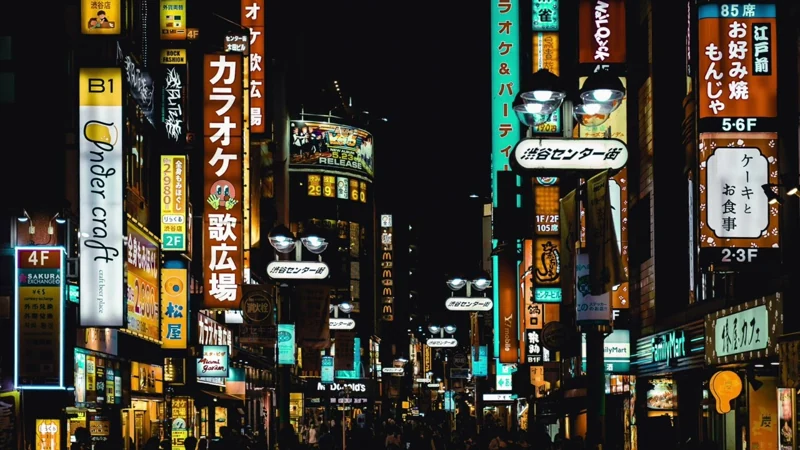
Rush hour in Tokyo is unlike anything most travelers have experienced before. If you’ve ever seen footage of white-gloved station staff physically pushing commuters into train carriages just to get the doors closed, that’s not an exaggeration — that’s a Tuesday morning at Shinjuku Station. Tokyo’s peak commute hours are genuinely intense, and for first-time visitors trying to navigate the city while managing meetings, luggage, or jet lag, it can be an overwhelming introduction to one of the world’s great metropolises. At Windy City Limousine Chicago, we understand the value of calm, reliable transportation in busy cities — and the lessons from Tokyo’s commute culture apply just as much to navigating Chicago’s busiest corridors.
What Makes Tokyo’s Commute So Unique
Tokyo is home to one of the most sophisticated and heavily used public transit systems in the world. On a normal day, the network moves tens of millions of people with a punctuality that shames most other cities. Trains arrive to the minute. Transfers are efficient. The system, by any objective measure, works.
But during peak hours, that efficiency comes with a cost: density. Some of Tokyo’s busiest train lines regularly operate at over 180% of their designed capacity during morning rush hour. That means passengers aren’t just standing — they’re leaning against strangers, bags pressed flat, unable to move their arms. The system absorbs it, but the experience is far from comfortable.
Interestingly, Tokyo doesn’t even rank as Japan’s most congested city by traffic. In 2024, Kyoto ranked 6th globally for traffic congestion, while Tokyo sat much further down the list. But when it comes to the sheer volume of people crammed into trains during peak hours, few cities in the world come close.
When Is Rush Hour in Tokyo?
Understanding the timing is the first step to managing it. Rush hour in Tokyo follows a consistent pattern throughout the working week:
The morning rush runs from approximately 7:30 a.m. to 9:30 a.m., with the absolute peak hitting around 8:00 a.m. This is when the trains are at their most crowded and the platforms at their most chaotic. If you have any flexibility in your schedule, this is the window to avoid entirely.
The evening rush begins around 5:00 p.m. and extends to roughly 7:30 p.m., with the densest period falling between 6:00 p.m. and 7:00 p.m. Unlike many Western cities where the evening commute is heavier, Tokyo’s morning rush is generally considered the more intense of the two — though both are challenging.
Weekends and public holidays are significantly calmer, and trains operate at normal capacity. If you’re visiting purely as a tourist and have control over your itinerary, building your travel days around these quieter windows makes a real difference to the experience.
Tokyo’s Busiest Train Stations
Knowing which stations to brace yourself for — or avoid entirely — is equally important. Here’s a breakdown of the major transit hubs in Tokyo that see the highest footfall during peak hours.
Shinjuku Station
Shinjuku holds the record as the busiest railway station in the world, processing an estimated 3.6 million passengers every single day. It serves as the primary crossroads for Tokyo’s commuter network, connecting multiple Japan Railways lines, private rail operators, and several subway lines. During morning rush, the concourse is a wall-to-wall flow of people moving with practiced efficiency. For anyone unfamiliar with the layout, it can feel genuinely disorienting.
Shibuya Station
Shibuya is best known internationally for its famous scramble crossing — the pedestrian intersection outside the station where hundreds of people cross simultaneously from every direction. The station itself is a major hub connecting JR lines, private railways, and subway routes. It sits in one of Tokyo’s most commercially active districts, which means foot traffic is high even outside of peak commute times.
Ikebukuro Station
A significant northern hub, Ikebukuro connects multiple JR lines and private rail operators and handles enormous daily commuter volumes. The surrounding area is one of Tokyo’s major commercial centers, drawing both workers and shoppers throughout the day.
Tokyo Station
Tokyo Station is the city’s primary gateway for long-distance travel, including several Shinkansen bullet train lines, as well as serving extensive local commuter routes. For travelers connecting between intercity trains and city transit, this is where the Tokyo public transportation network converges with the broader national rail system.
How to Avoid Rush Hour in Tokyo
If you can’t avoid being in Tokyo during peak hours, there are ways to make the experience more manageable. These aren’t guaranteed solutions, but they reduce the worst of it considerably.
Travel outside the peak window. Even shifting your departure by 30 to 45 minutes can make a noticeable difference. Trains at 7:00 a.m. are far more manageable than trains at 8:00 a.m. If your schedule allows, an earlier start or a later one — waiting until after 9:30 a.m. — avoids the worst of the morning commute congestion.
Choose quieter lines. Not all Tokyo train lines carry the same volume. The Hibiya Line and Namboku Line are generally less packed than the major JR commuter lines. If your route allows for an alternative that uses these lines, the experience is considerably calmer.
Use smaller stations or direct routes. Transferring through Shinjuku or Shibuya during rush hour in Tokyo multiplies both the time and the stress involved. Whenever possible, plan routes that use smaller intermediate stations or avoid major transfer points entirely.
Ride the first or last carriages. This is a piece of genuinely useful local knowledge in Tokyo: the middle carriages are always the most crowded because they align with the main station exits. The first and last carriages tend to be somewhat less packed, especially on shorter commuter lines.
Consider ground transportation for airport runs. Getting from Narita or Haneda into the city by train with luggage during peak hours is an exercise in patience. The trains are efficient, but they were designed for solo commuters, not travelers with bags and no fluency in Japanese signage. For airport-to-city transfers in particular, a private chauffeur service removes all of that friction in one step.
Why Travelers Are Choosing Private Chauffeur Services Over Public Transit
There’s a reason that business travelers in Tokyo, like those in Chicago, New York, and other major cities, increasingly choose private ground transportation over public transit for work-related movement. It’s not about luxury for its own sake. It’s about the practical value of a controlled, predictable, quiet environment when you need to perform at your best.
When you’re navigating rush hour in Tokyo on the Chuo Line with a laptop bag, a rolling suitcase, and a 9 a.m. meeting on the other side of the city, the appeal of a vehicle waiting at the door — with a professional driver who knows the route, the timing, and the quickest alternatives — becomes very clear. The same logic applies in any major city.
For travelers based in or passing through Chicago, Windy City Limousine Chicago offers exactly that kind of seamless, reliable luxury ground transportation. Whether you need an early morning airport transfer to O’Hare or Midway, a corporate pickup in Northbrook or Highland Park, a business run through Hinsdale, Lake Forest, or Deerfield, or a group transfer in the Mercedes-Benz Sprinter Van — the goal is always the same. You arrive composed, on time, and ready. No crowded platforms, no confusing connections, no standing in the cold waiting for a ride that may or may not show up.
The fleet at Windy City Limousine Chicago includes the Lincoln Continental, Cadillac XTS, Cadillac Escalade, Lincoln Navigator, and Mercedes-Benz Sprinter Van — each maintained to deliver the kind of quiet, private interior that turns transit time into something genuinely useful. Professional chauffeurs are available 24/7, with real-time flight tracking on all airport pickups.
If your next trip takes you through Chicago, don’t leave your ground transportation to chance. Make your reservation at windycitylimousinechicago.com
Frequently Asked Questions
1. When is rush hour in Tokyo? Rush hour in Tokyo runs from 7:30 a.m. to 9:30 a.m. in the morning, peaking around 8:00 a.m., and from 5:00 p.m. to 7:30 p.m. in the evening. The morning window is generally considered the more intense of the two, with some lines exceeding 180% of their designed passenger capacity.
2. Which is the busiest train station in Tokyo? Shinjuku Station holds the title of the busiest railway station in the world, handling around 3.6 million passengers daily. It connects multiple JR lines, private rail operators, and several subway routes, making it both an essential hub and an overwhelming one during peak hours.
3. How crowded do Tokyo trains get during rush hour? Some of the busiest Tokyo commuter lines regularly operate at over 180% capacity during morning rush hour. Passengers are packed tightly enough that movement is essentially impossible, and Tokyo train operators famously employ platform staff to assist with boarding.
4. What are the quieter train lines to use in Tokyo? The Hibiya Line and Namboku Line are generally less congested than the major JR commuter lines. If your route allows flexibility, these lines offer a noticeably calmer Tokyo public transit experience, particularly during peak hours.
5. Is it better to travel by car than train during rush hour in Tokyo? For visitors with luggage, tight schedules, or airport transfers, private car service in Tokyo often makes more practical sense than navigating peak-hour trains. It removes the uncertainty of crowded platforms, complicated transfers, and language barriers in one straightforward solution.
6. How do I get from Narita or Haneda Airport to central Tokyo without dealing with rush hour crowds? Both airports have rail connections, but traveling with luggage during Tokyo rush hour significantly complicates the experience. A private airport transfer is the most direct and stress-free option, particularly for business travelers or anyone arriving after a long international flight.
7. What time should I travel in Tokyo to avoid the crowds? If you can depart before 7:00 a.m. or wait until after 9:30 a.m., you’ll miss the worst of the morning rush hour in Tokyo. For evening travel, waiting until after 7:30 p.m. makes the experience considerably more manageable.
8. Does Windy City Limousine Chicago offer airport transfers? Yes. Windy City Limousine Chicago provides professional airport transfers to and from O’Hare International Airport and Midway Airport, with real-time flight tracking to ensure on-time pickups regardless of delays or early arrivals.
9. What vehicles are available through Windy City Limousine Chicago? The fleet includes the Lincoln Continental, Cadillac XTS, Cadillac Escalade, Lincoln Navigator, and Mercedes-Benz Sprinter Van — covering solo travelers, executive pairs, and groups of up to 14 passengers with luggage.
10. How do I book a chauffeur service with Windy City Limousine Chicago? Reservations can be made online at windycitylimousinechicago.com/reservation/ or by calling +1 (312) 960-9333. Select your vehicle, enter your pickup location and travel time, and confirm your booking. The service operates 24/7 across Chicago and surrounding suburbs including Highland Park, Lake Forest, Northbrook, Hinsdale, and Deerfield.